The Allure of Chance and Risk
The excitement associated with gambling often stems from the allure of chance and risk. This thrill can be traced back to the human brain’s reward system, where the possibility of winning activates areas associated with pleasure and satisfaction. In a casino environment, the sound of coins clinking, flashing lights, and vibrant colors stimulate sensory experiences that further enhance this appeal. These stimuli work together to create an atmosphere that encourages players to take risks in hopes of striking it rich, especially when they explore online pokies australia that add to the excitement. The combination of sensory overload and the inherent uncertainty of games creates a compelling draw that many find irresistible.
Moreover, the concept of risk is intertwined with the human desire for adventure and challenge. Many individuals are instinctively drawn towards experiences that promise a potential reward, even if the odds are stacked against them. This intrinsic craving for excitement can lead to a cycle where the thrill of gambling becomes a primary motivator. The social and competitive aspects of gaming further amplify this allure, as players often feel encouraged to push their limits and explore their boundaries in the pursuit of wins.
Add to this a sense of control that players believe they possess, and the allure becomes even stronger. Many gamblers engage in strategies to enhance their winning potential, from choosing specific games to studying odds meticulously. This illusion of control can lead them to pursue gambling more vigorously, as they feel their decisions directly impact outcomes. For instance, a player might believe that choosing a specific slot machine rather than another could influence their chances of winning. Hence, the blend of chance and perceived skill creates an intoxicating mix that compels individuals to continue playing, often beyond their initial intentions.
The Role of Cognitive Biases
Cognitive biases play a significant role in how individuals perceive gambling outcomes. One prevalent bias is the gambler’s fallacy, where players mistakenly believe that previous outcomes affect future results. For example, if a roulette wheel has landed on red multiple times consecutively, a player might feel that black is “due” to hit next. Such misconceptions can fuel continued play and influence betting strategies, even when statistical probability suggests otherwise. This faulty reasoning can lead to an increased frequency of bets, resulting in greater financial risk.
Another cognitive distortion is the illusion of control, where players overestimate their ability to influence the outcome of random events. This can manifest in behaviors such as choosing specific lottery numbers or believing that they have ‘lucky’ rituals that influence their success. For instance, a player may wear a particular shirt on game night, convinced it brings good fortune. These biases can lead individuals to gamble more frequently, as they often ignore the fundamental principle of chance that underlies most gambling activities and instead cling to their beliefs in their own influence. This can create a dangerous cycle of betting that is fueled by misconceptions.
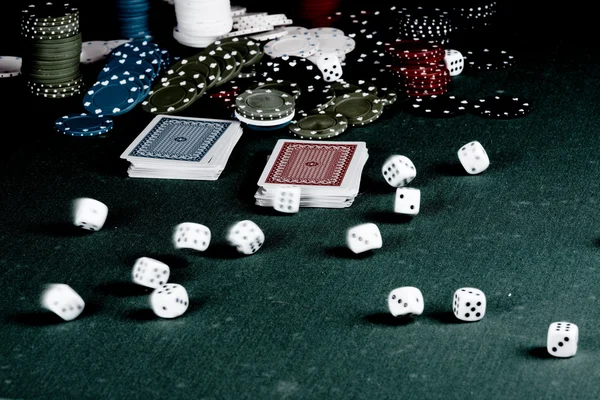
Additionally, confirmation bias plays a crucial role in reinforcing gambling behaviors. Gamblers often focus on winning experiences while downplaying or entirely ignoring losses. This selective memory fosters a distorted sense of success, leading them to believe they are more skilled than they actually are. For example, a player might remember the thrill of a big win but forget the many losses that preceded it. By remembering only the wins and forgetting the losses, gamblers are more likely to return to the casino, trapped in a cycle of expectation and disappointment. This cognitive distortion serves as a trap, encouraging continued gambling despite adverse outcomes.
The Impact of Emotional States on Gambling Behavior
Emotions significantly influence gambling decisions, often leading to impulsive choices. Positive emotional states, such as excitement and joy, can encourage individuals to take risks they might otherwise avoid. A person celebrating a recent success may feel emboldened to wager higher amounts, believing their luck will continue. Conversely, negative emotions like stress and sadness can also drive gambling behavior as individuals seek an escape or a distraction from their feelings. This often results in a vicious cycle where gambling serves as a temporary relief, only to exacerbate existing problems through losses. Emotional states can thus serve as powerful motivators for gambling activity.
Research shows that individuals are more likely to engage in gambling when experiencing heightened emotional states. For example, after a bad day at work or following a breakup, they may turn to casinos for relief or distraction. The thrill of gambling can momentarily elevate mood, providing a sought-after escape. Unfortunately, the temporary highs of gambling often lead to increased emotional lows, especially when losses occur. This creates a feedback loop, wherein gambling temporarily alleviates negative emotions but ultimately contributes to an even greater emotional downturn, prompting further gambling. Understanding this cycle is essential for addressing gambling-related issues.
Understanding the interplay between emotions and gambling behaviors is crucial for addressing problem gambling. By recognizing the triggers that lead individuals to gamble, it becomes possible to implement strategies for healthier coping mechanisms. For instance, promoting awareness around emotional triggers can help individuals seek alternative methods for managing their feelings, thereby reducing the reliance on gambling as a primary source of emotional regulation. This awareness can empower individuals to pursue healthier outlets for stress relief and enjoyment, ultimately leading to a more balanced approach to leisure activities.
The Influence of Environment on Gambling Choices
The environment of a casino is meticulously designed to encourage patrons to gamble. Factors such as lighting, sound, and layout play a crucial role in creating an engaging atmosphere that captures attention. For instance, casinos use dim lighting and stimulating sounds to create a sense of urgency and excitement. The absence of clocks and windows further disorients players, making them lose track of time and encouraging prolonged gambling sessions. This strategic design is a calculated tactic to increase the duration of play, leading to higher spending. Such environmental cues can significantly impact a gambler’s decision-making processes.

Moreover, the placement of games also impacts gambling behavior. High-stakes games are often located in areas that are easily accessible and visible, attracting those seeking thrills. Meanwhile, slot machines, known for their lower barrier to entry, are positioned to draw in casual players who may spend extended periods gambling without realizing it. This careful arrangement capitalizes on human psychology, encouraging gamblers to approach games they might otherwise avoid due to perceived higher risks. The layout of a casino can thus create a psychological push that influences players’ choices in significant ways.
Additionally, casino promotions and loyalty programs create an environment where patrons feel valued and rewarded for their time spent gambling. These incentives foster a sense of belonging and attachment to the establishment. Players who feel appreciated are more likely to return, which can lead to increased gambling activity. Such programs can make players feel like they are part of an exclusive club, further increasing the likelihood of returning to gamble. This blend of strategic environment manipulation and emotional engagement significantly impacts gambling choices, reinforcing the attraction to casinos and making it difficult for some to walk away.
Understanding Responsible Gambling
As the popularity of casino gambling continues to rise, promoting responsible gambling practices is essential. Understanding the psychological factors that drive gambling behavior can help individuals make informed choices. Many organizations offer resources and support networks to educate gamblers about the risks associated with gambling. By promoting awareness around cognitive biases and emotional triggers, individuals can learn to recognize harmful patterns in their gambling habits. This education is vital for those who wish to enjoy gambling responsibly and avoid potential pitfalls.
Responsible gambling initiatives often focus on providing tools for self-assessment, allowing players to evaluate their habits and make necessary adjustments. Resources such as self-exclusion programs and spending limits are vital in helping individuals maintain control over their gambling behaviors. These tools empower players to enjoy gambling as a form of entertainment without letting it interfere with their daily lives or financial responsibilities. Such measures can significantly reduce the likelihood of developing problematic gambling behaviors.
Ultimately, fostering a culture of responsible gambling benefits not only individuals but also the industry as a whole. By encouraging awareness and understanding of the psychological elements at play, casinos can create a safer environment that promotes healthy gaming habits. Emphasizing the importance of responsible gambling can lead to a more sustainable relationship with gambling, allowing individuals to enjoy the thrill without succumbing to detrimental behaviors. This balance is crucial for ensuring that gambling remains a fun and enjoyable activity rather than a source of stress and financial hardship.